Building para-academes as institutional critique
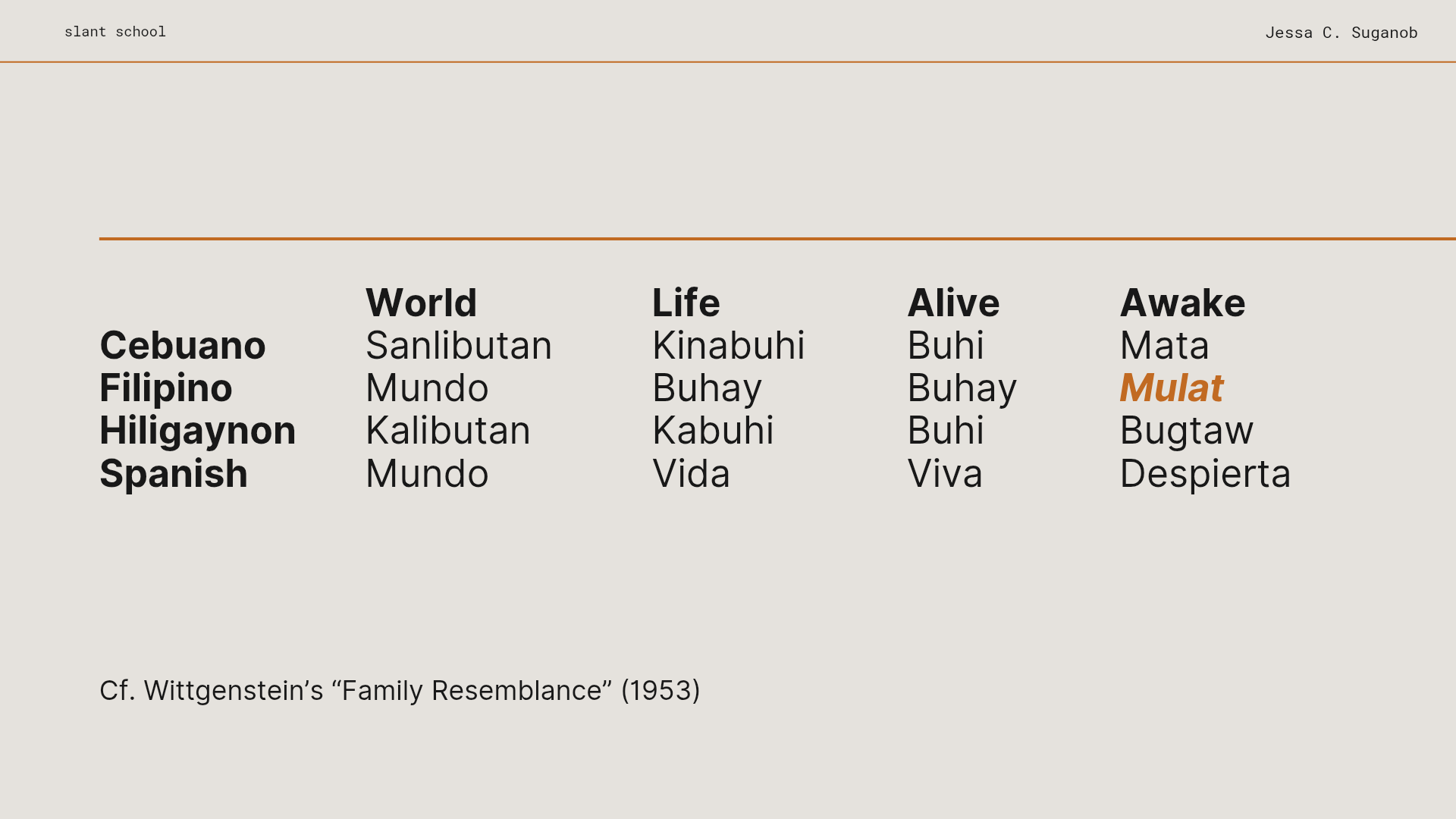
My focus on mulat is about the criticality of literacy—o dun sa sinabi ni Carissa about ang pagnanais na umintindi. Para maintindihan na maayos ang sarili at ang mundo, [it necessitates] militancy through literacy.
Militancy through literacy… must be offered the best quality of public education especially among the young so they can architect a better world for themselves. History, language, math, sciences, et cetera—these are also tools sa “pagiging mulat”.
But why is an alternative literacy so critical these days?
Institutional critique or the search for alternatives is conjunct to community building. With regard to my [own] experience as a community organizer, the search for alternatives is to commune for a common cause to build communities. Building communities emphasizes the ethics of care. At the same time, it is more anarchic and one must assess not just one’s attitude to these institutions… but also their positions towards it.
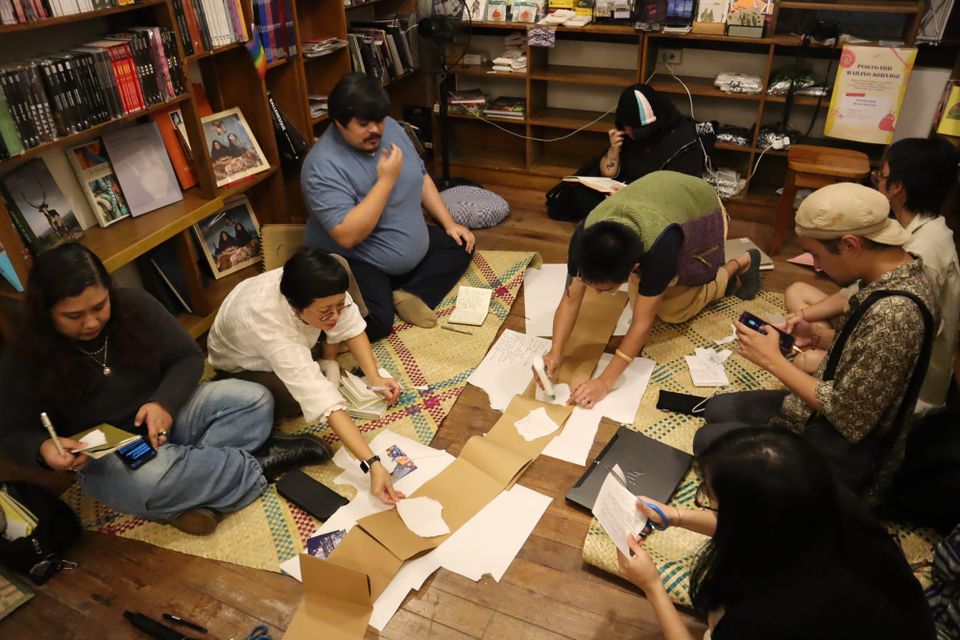
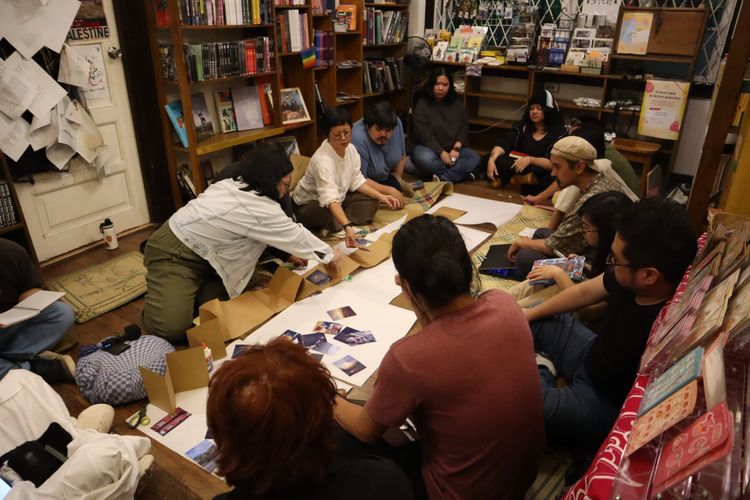
slant school is a site for institutional interrogations as a performance of political art. It is still in flux, to further unfold. It interrogates prescribed literacy. It demands self-reflexivity… and it provides a means to reimagine a better educational system.
How can we model an alternative form of literacy outside of institutions wherein these institutions require a lot of bureaucracy and thus are too slow to catch up? We must organize, we must always search for alternatives to alternatives in the spirit of dialectical and historical materialism. But a lot have done this already. So what else is out there? Is there any other way of doing this? And this, I think, is the spirit of what slant school is about.
So I would like to go back to Carissa’s word herself, mulat—ang sanlibutan, ang pag-ikot ng mundo, sa pag-ikot ng ating buhay, sa kung paano natin inanais maging buhay, dito naka-angkla kung paano tayo magiging mulat.


Member discussion