heresy

SHE HAD EVERY POSSIBLE bodily reaction, facial expression that would easily be misconstrued as she didn’t want to be there. Granted, it wasn’t a yes like that—she brought a pocket knife and dressed in white clothes to make sure she checked through with the day’s plans.
So, of course: That day, she got up to the microphone under duress of her annoyances and agitations and said her piece (university conference hall). On other days, she went on an improvisational, essayistic sorta rant and broke the room’s silence about politics (nonprofit art space). She put up her hand during a roundtable discussion and retorted why did we read this (artist’s private library). She got lost in the fictitious check-in question beginning a group meeting and said so (another Zoom class). She said she actually sees you every week, you probably just never notice (cold collegial office).
In every unique case, what happens is that the world opens up. She had sex with the artist, she flirted with the executive director, she forgave her professor, she broke down in tears in front of her colleague and they knew they’d be friends forever. This is how she often gets misunderstood and misconstrued: every act of heresy is a tearing of the self, a rapturous plea as a sacrifice.
In an artist residency program, her teacher, well-trained in the somatic practices and technologies, said, “In group settings, we usually do not say what exactly needs to be said in that moment.” The unsaid, the undernoted meets the undercommon refusal of the academy of misery.¹ In the pre-event of that, no one is actually talking. My God. There’s too many of them. Somewhere down the line, through the long haul flights, the packed subway rides, the rail runner commutes, the bus rides planned and unplanned, the long, cold drives, the PTSD-laden lonesome walking, she incised and vowed only to be in places where people are actually talking. Don’t rush. Of course. But be generous.
Save for that day she wore white to the university. She almost found it surprising—she did not feel that anyone received her. She walked out of the halls, passed beyond the gates. It was a good idea to keep a sharp object with her. Whether it’s intelligence or affection, either needs a lot of breaking.
¹ Fred Moten, “The General Antagonism”
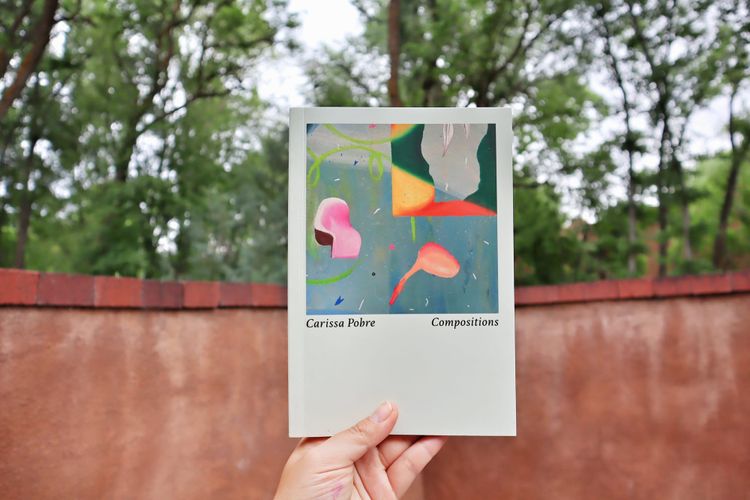
Carissa Pobre is a writer from the Philippines. Her books of poetry and essays include Compositions (Everything’s Fine Press, 2023) and Formations (self-published, 2021). Subscribe to the newsletter to receive her writings, along with subscriber–only notes, in your inbox.

Member discussion